Customer relationship / AMEC
AMEC.
Dynamic simulation and engineering studies commissioned by AMEC, covering gas-storage and compressor operability work.
TSC Simulation photograph · historic AMEC logo via Wikimedia Commons ↗

Simulation studies for a design contractor
AMEC commissioned TSC to carry out dynamic simulation and engineering studies. My work included gas-storage studies for AMEC Darlington and additional compressor-operability work at Wormington.
AMEC was a design contractor working for National Grid on gas-transmission projects. At Hole House Phase 3, carried out the simulation work and authored the complete engineering report. At Wormington, modified an existing model and carried out additional study runs. Related work also included Churchover.
From engineering drawings to a dynamic model
The model-building process starts with the piping and instrumentation diagrams (P&IDs). The engineer works through the drawings and reproduces the process connections, equipment and control relationships in the simulation package, so the model follows the plant configuration being assessed.
Getting the dynamics right requires more than matching the diagram. Pipe isometrics provide the geometry needed to calculate internal volumes and place instrumentation along the flow paths. Valve sizes, types and operating characteristics are incorporated alongside the pipework so the model represents how gas moves, accumulates and responds to changes.
| Engineering input | How it is used in the model |
|---|---|
| P&IDs | Establish equipment connections, flow paths, instrumentation and control relationships. |
| Pipe isometrics and arrangement drawings | Establish pipe geometry, internal volumes and instrument positions, which influence transient response. |
| Valve data | Configure valve size, type, flow characteristics and opening or closing behaviour. |
| Compressor performance curves | Digitise supplied curves, often from PDF documents, and configure the compressor and anti-surge control objects. |
| Gas composition and environmental conditions | Configure gas properties and heat exchange with ambient air or the ground, so pressure and temperature respond to the operating environment. |
| Operating cases and shutdown descriptions | Set up validation cases, operating sequences and emergency shutdown behaviour for the agreed study scope. |
The process-gas composition is normally supplied for the study and is typically representative of dry natural gas in the National Transmission System (NTS). Environmental heat transfer is included where relevant to the process response.
Validation and study runs
Before investigating transients, the model is checked against supplied steady-state operating cases and mass-balance data. The configured model can then be used to follow changing pressures, temperatures, flows and compressor operating points through an agreed sequence or disturbance.
Depending on the assignment, study cases can include:
- Start-up and shutdown: follow the transition between operating states, including operation alongside other equipment.
- Compressor surge: assess how the compressor operating point and anti-surge controls respond during changing conditions and shutdown.
- Emergency shutdown (ESD): implement the specified trip sequence and examine how valve actions and compressor shutdown affect the process.
- Valve failures and line blockages: investigate the process response to loss of a flow path or an assumed valve action.
- Process safety time: investigate how quickly a hazardous condition could develop after an initiating failure.
What process safety time means
Process safety time is the interval from an initiating process failure to a hazardous event, assuming no effective protective action. It describes the time available for protection to act. Dynamic simulation helps assess how the process develops over that interval; detection, logic and final protective actions need to operate within the available time.
The individual project pages describe the work carried out on each assignment.
Related platform development
The study work also connected with my later pipe-friction and pressure-drop modelling development, which turned friction calculations into a reusable simulation flow item.
Customer projects
Projects in this relationship
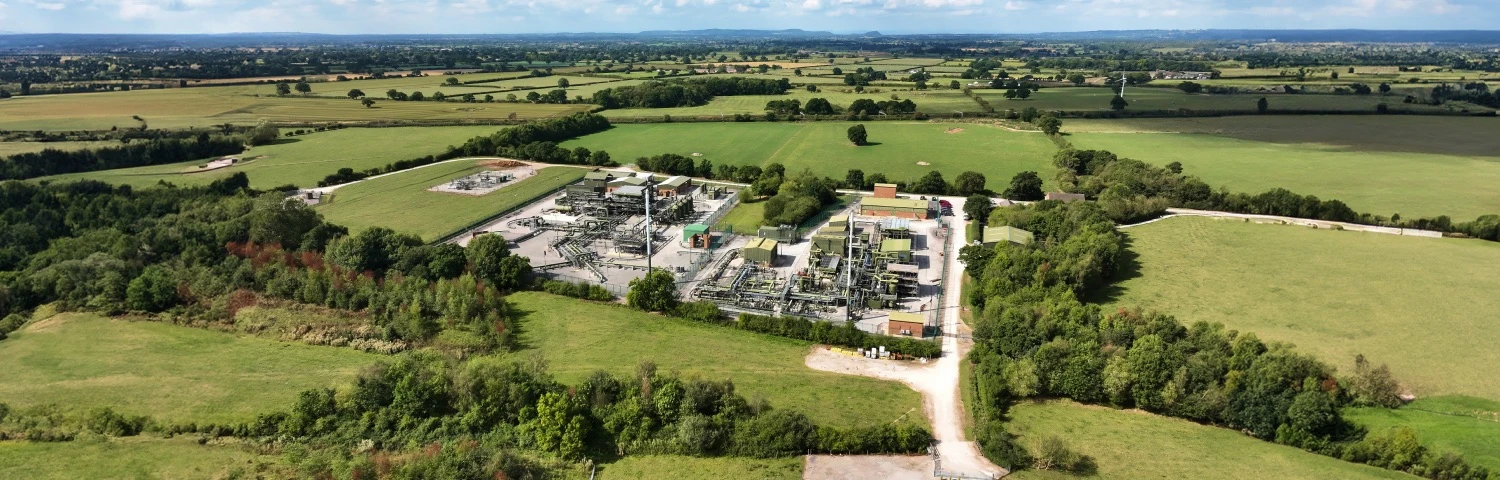 Client projectKistos · site reference photograph
Oil and gas / Engineering verification
Hole House Phase 3 — Dynamic Simulation Study
Carried out dynamic simulation studies and authored the report for AMEC Darlington, assessing start-up, shutdown, process safety times and compressor-surge behaviour.
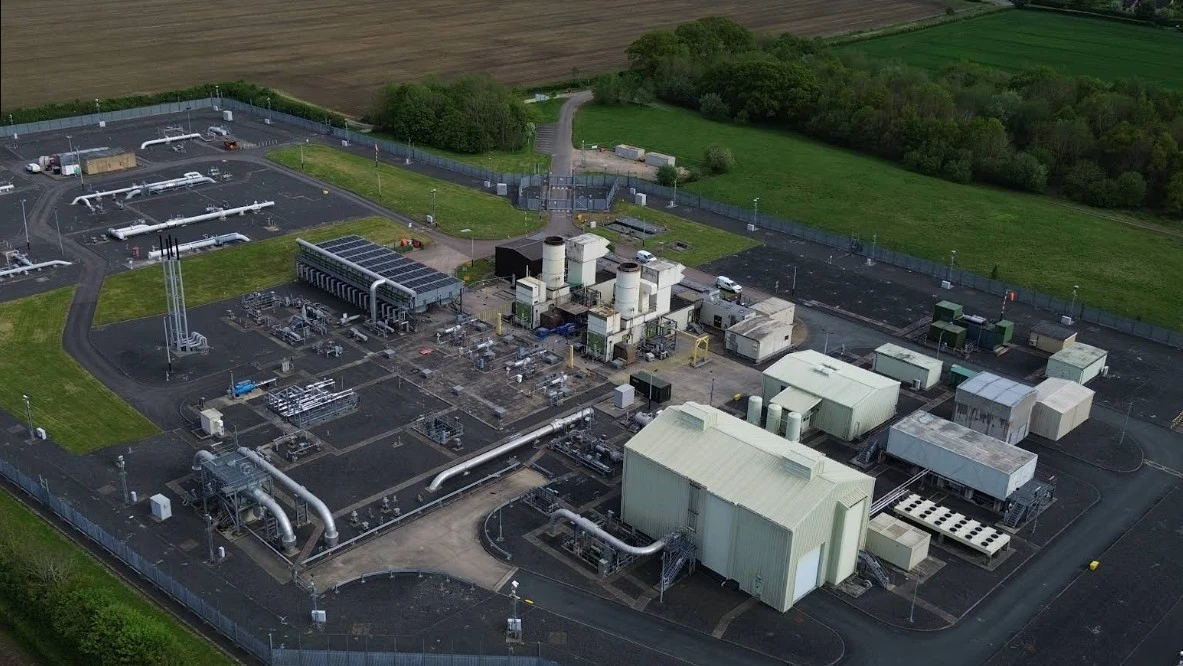 Client projectSupplied image via Cotswold Journal · site reference photograph
Oil and gas / Engineering verification
Wormington — Compressor Operability Study
Modified an existing simulation model and carried out additional compressor start-up studies for AMEC, assessing transient behaviour, temperature response and operating constraints.
Further context
Technical references and related project information.