Client project / Halliburton
Halliburton FloConnect.
Managed the FloConnect simulation programme, coordinating costings and delivery while providing process-engineering oversight and defining the control-system integration approach.
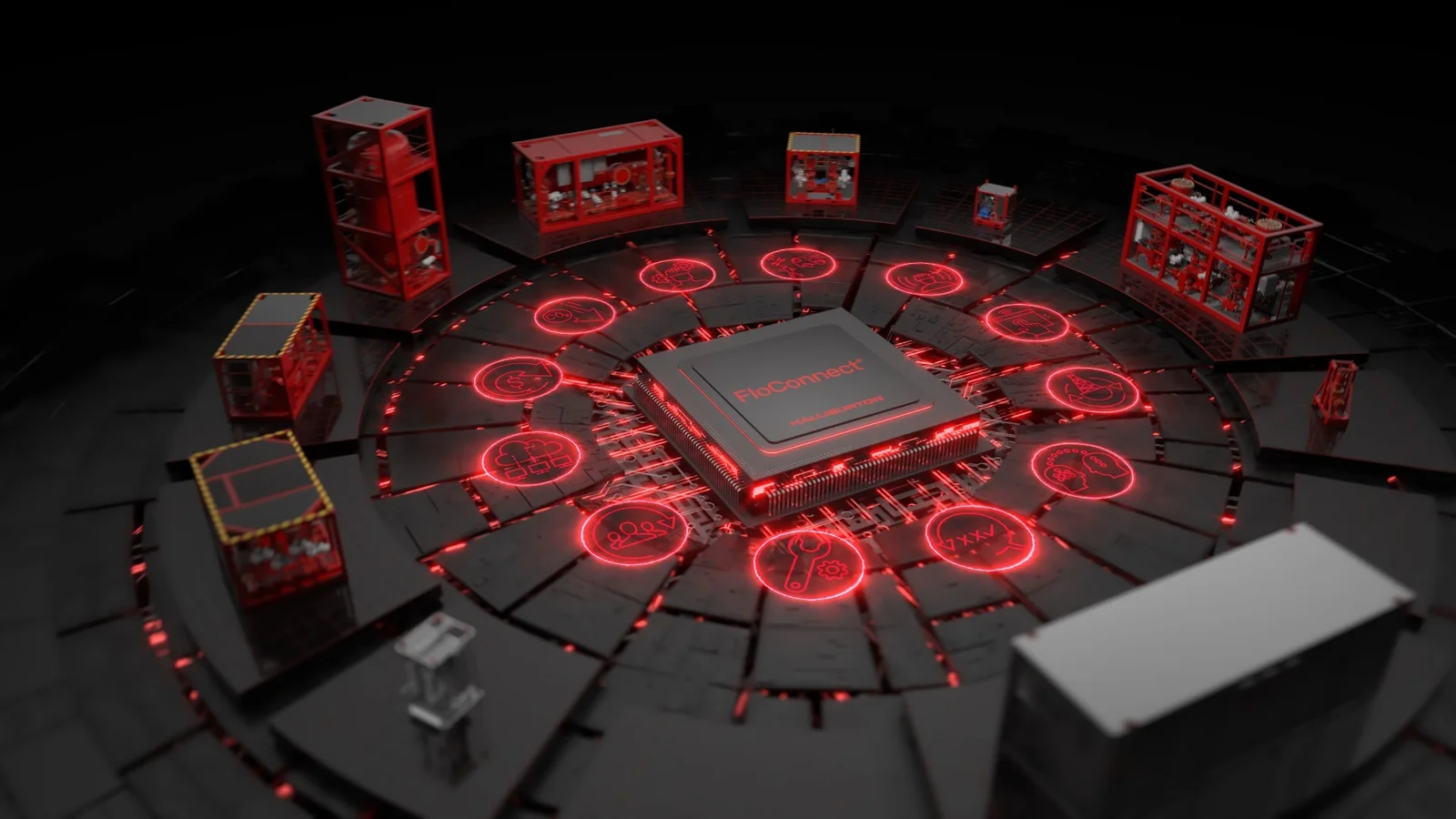
Loads YouTube only when you press play. Watch on YouTube ↗
Halliburton FloConnect product visualisation connecting automated well-test equipment around a central control platform. · Image: Halliburton · product visualisation ↗
A new project with a different development team
The FloConnect work grew out of the ongoing Halliburton relationship following the Surface Well Testing training simulator. Through my account management, customer engagement and continued work with the customer, the FloConnect development team approached us about a different use for the engineering simulator.
This was a separate project with a separate customer team. The focus moved from practising operations in a multiplayer training environment to verifying equipment behaviour and control-system workflows during engineering development.
Upgrading the simulator for engineering verification
We extended the engineering simulator to represent FloConnect versions of the well-test equipment and interface with the developing control-system environment. This gave the team a simulated process against which to explore and test operating workflows before moving to physical equipment testing.
The value was in bringing the process and controls together earlier. Engineers could examine how an automated sequence interacted with the simulated well-test process, work through the workflow and refine it ahead of the physical testing stage. This supported the customer’s aim of saving design time and reducing the cost of later development work.
Tech stack and OPC integration
To connect the engineering simulator to the FloConnect ecosystem, we used Cogent DataHub OPC Bridge to link the simulator’s OPC DA server with Halliburton’s OPC UA server. The bridge allowed the simulation and control-system environment to share data across the two OPC systems.
The integration required mapping fields between the servers so that each simulation signal corresponded to the appropriate field in the FloConnect environment. Managing the direction of dataflow was equally important: the mappings had to define which system supplied each value and which received it, so that logic circuits spanning the simulator and FloConnect could operate correctly across the bridge.
This connection brought the simulated process into the control-system workflow, supporting verification of equipment behaviour and automated sequences before physical testing.
Automation with an operational purpose
The wider FloConnect programme focuses on remote operation and reducing the need for personnel to enter hazardous well-test areas. Halliburton’s public material describes automated equipment and remote monitoring and control; it provides context for why reliable workflows and control-system behaviour matter.
My contribution was to the simulator-based engineering verification work supporting that development. The public videos and equipment images illustrate Halliburton’s platform and operating context.
My contribution
I developed the follow-on opportunity through the customer relationship and helped turn a training-simulation capability into a new engineering application with the FloConnect team. The work combined account management, understanding of the well-test process and coordination of simulator development around the customer’s control-system requirements.
It illustrates an important part of my engineering and leadership work: staying close enough to the customer’s technical challenges to recognise where an existing capability can support a different stage of their development process.
Programme ownership
The work ran in intermittent chunks from December 2021 to May 2025 and is presented here as one project. I was primarily the account lead and programme manager, responsible for costings and delivery, with process-engineering oversight where needed. I owned the approach to communicating with different control systems; once the approach was agreed, others implemented it.
Customer projects
Related customer projects
Equipment & operating context
A closer look.
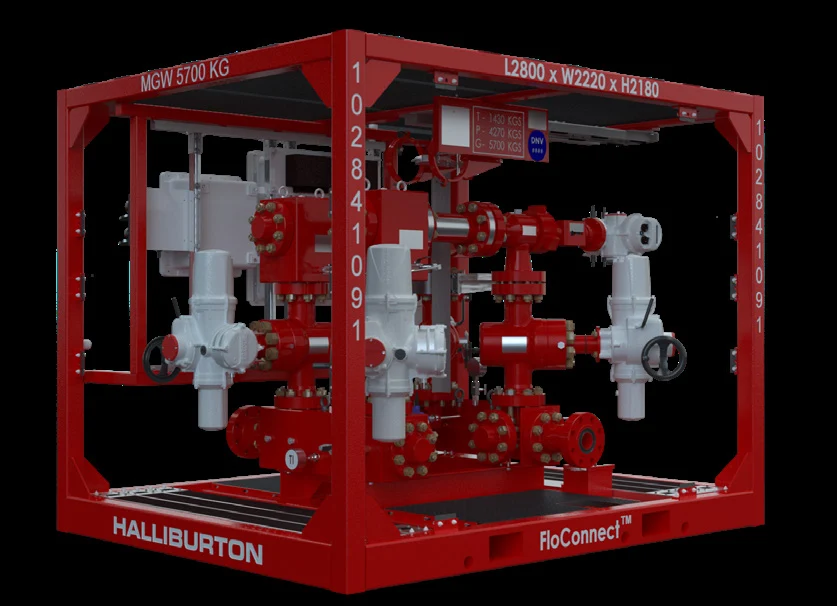
Published choke-manifold visualisation from Halliburton’s FloConnect case study. Equipment context for automated well-test control.
Halliburton, public FloConnect case study, page 1 ↗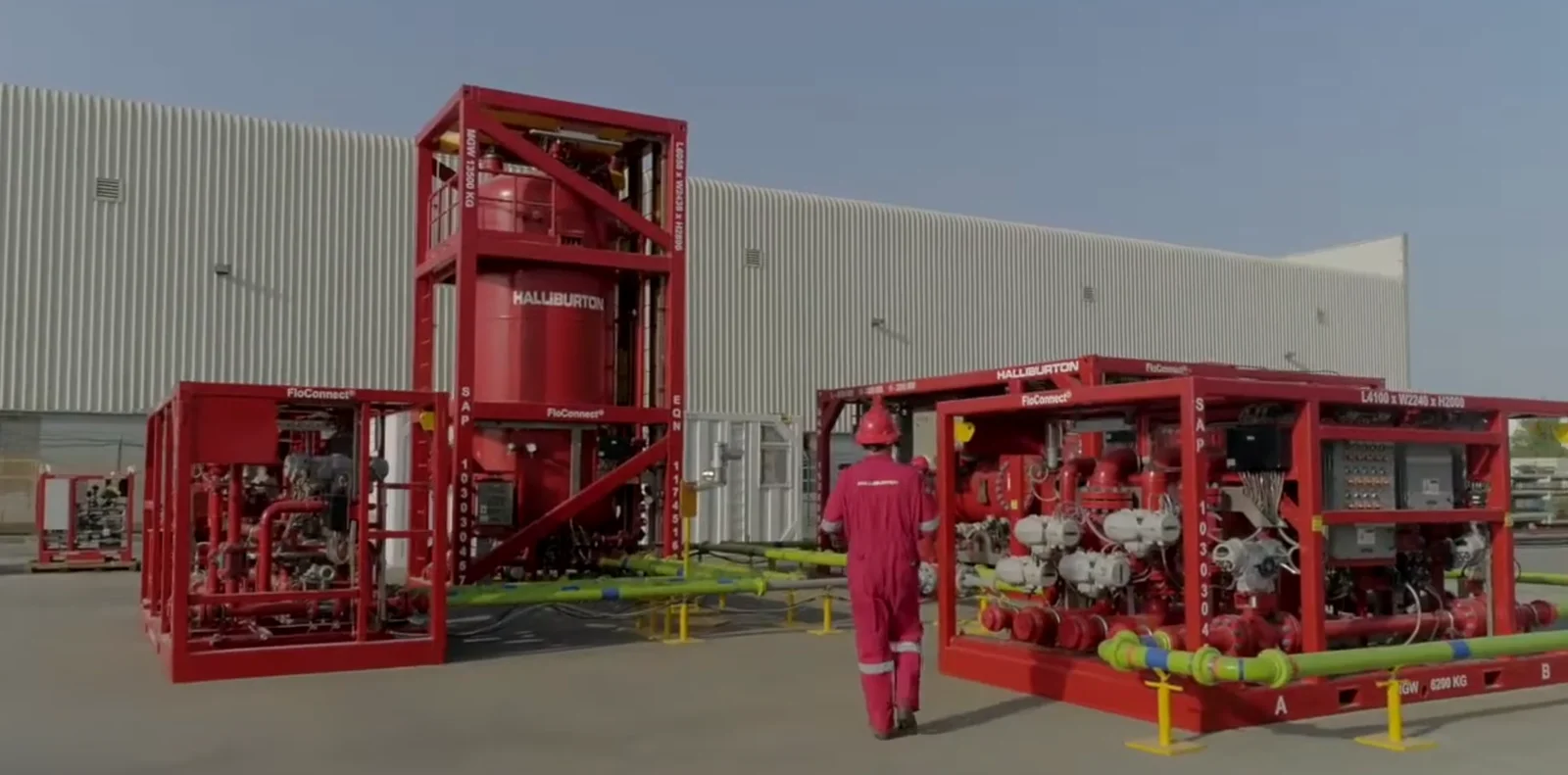
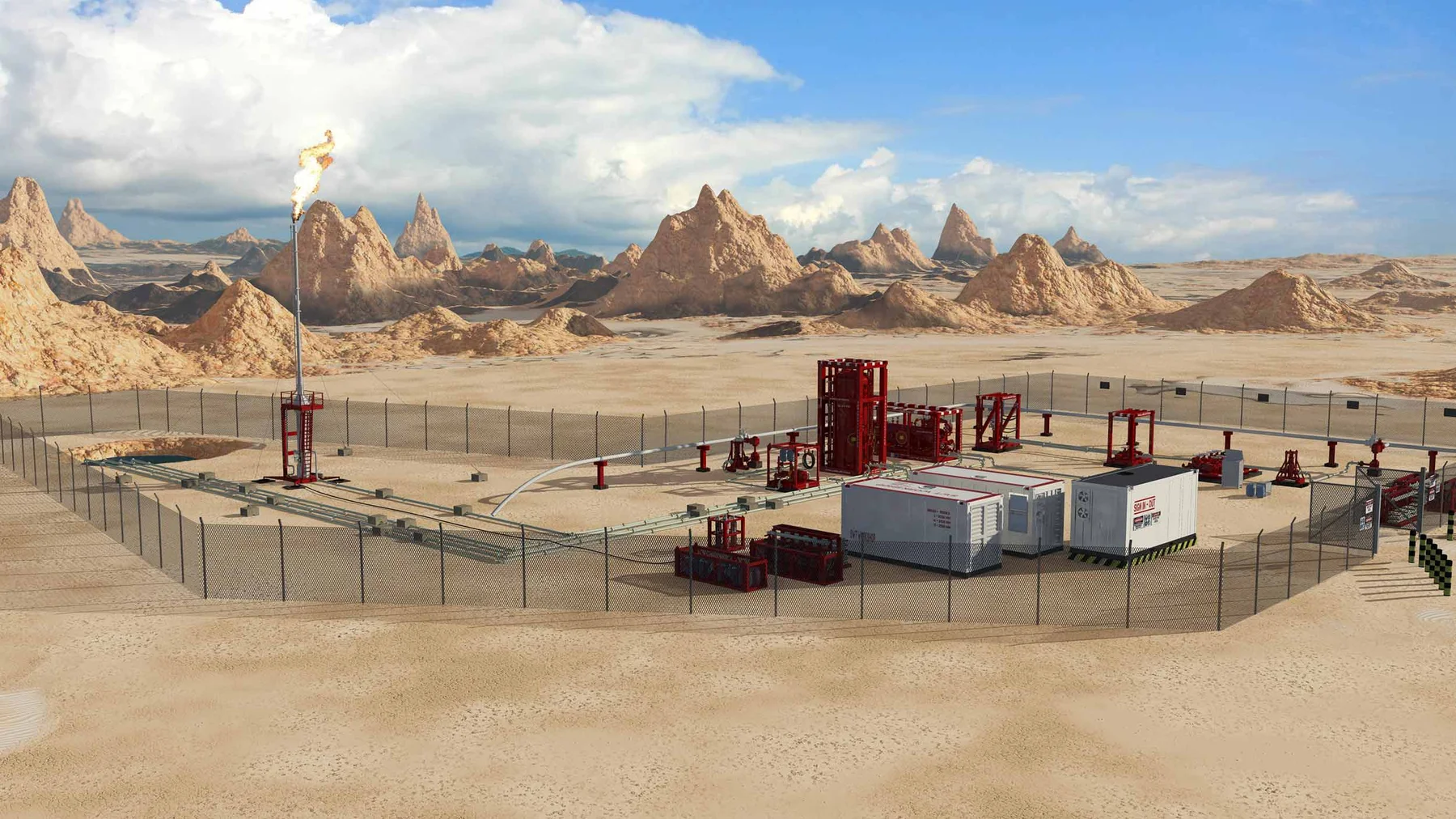
FloConnect equipment connected as a well-test layout, showing the physical process environment behind the control-system workflows.
Halliburton · platform image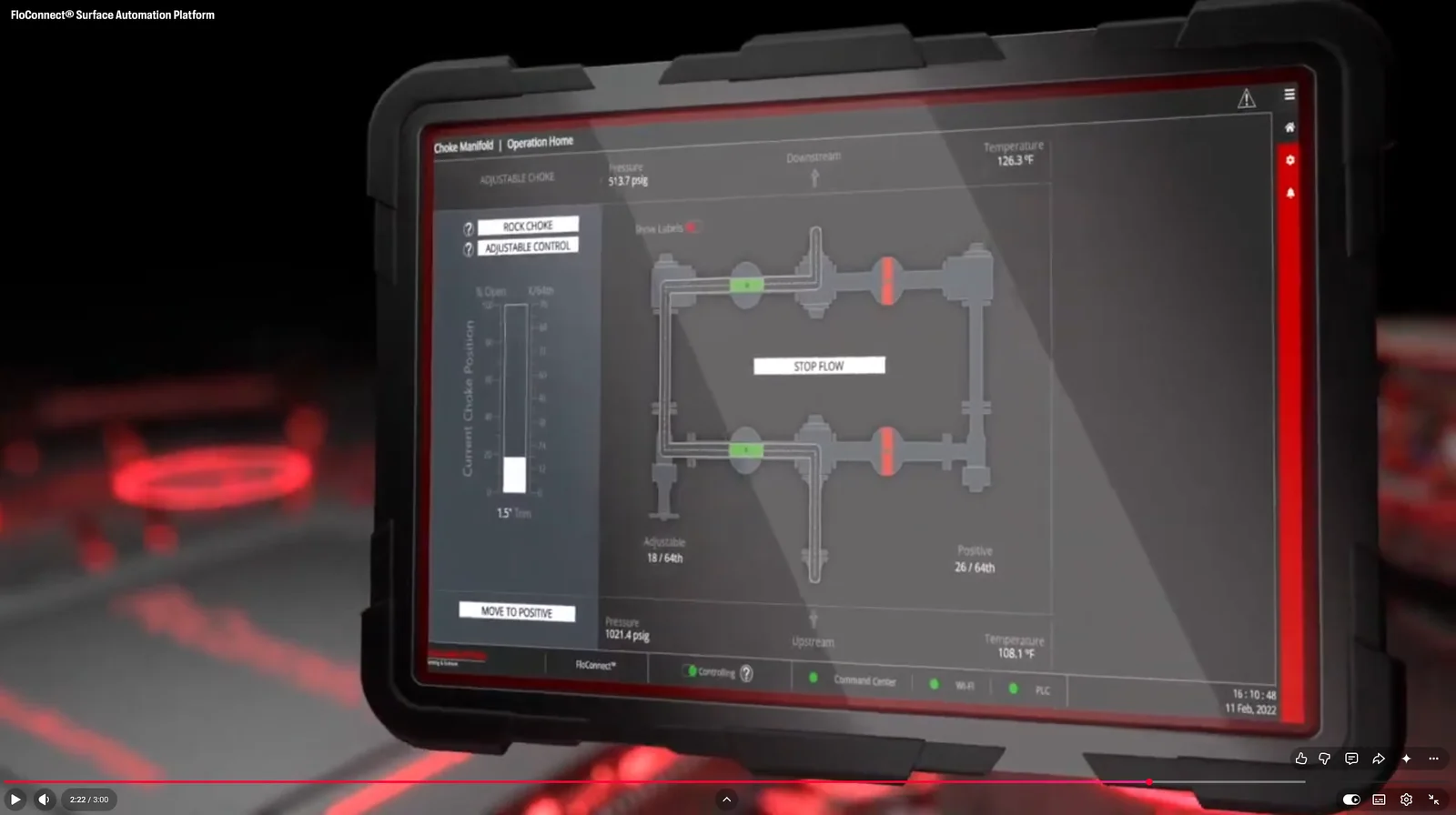
FloConnect choke-manifold control interface, showing the relationship between valve states, choke position and process readings. Public platform imagery for the control-system context.
Halliburton · platform film screenshot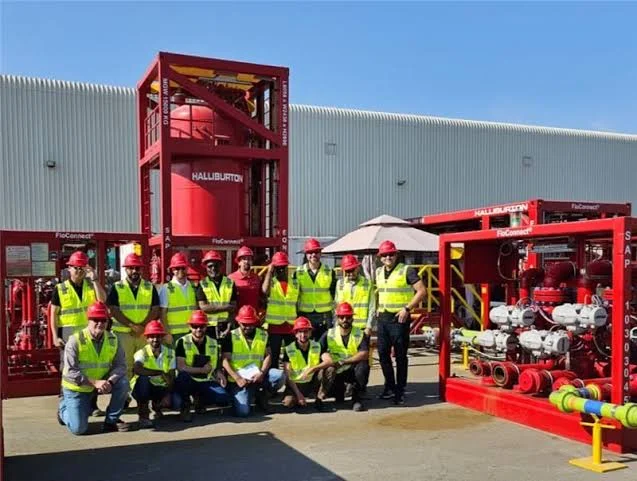
A group alongside FloConnect equipment, showing the scale of the connected well-test skids.
Halliburton · reference photograph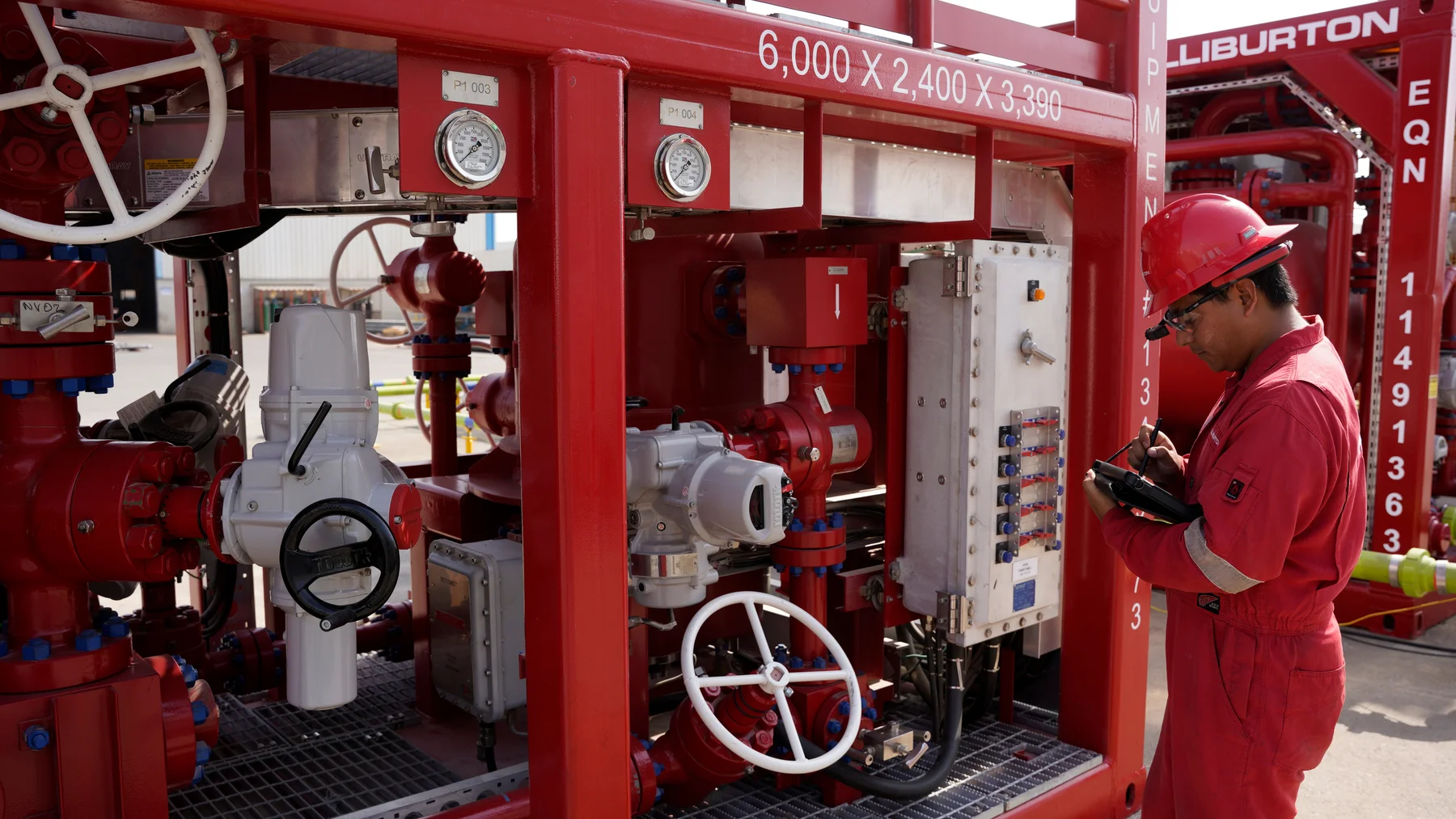
Halliburton’s public equipment photograph illustrates the relationship between field hardware, controls and operator interaction.
Halliburton, Surface Well Testing page ↗Public platform context
Further viewing.
Halliburton FloConnect emissions management solutions
A second public Halliburton film giving wider context for the platform’s emissions-management work.

Loads YouTube only when you press play. Watch on YouTube ↗
Further context
Technical references and related project information.